

Virginia Chihota, Ini ndinowa, Ini ndinosimuka (Me Fall, Me Rise), 2025-2026. Silkscreen and silkscreen ink on canvas, 88 ½ x 131 x 1 ¼ in (224.8 x 332.7 x 3.2 cm). (Photo: Lance Brewer).
Virginia Chihota’s first solo exhibition explores ideas of being, belonging, and selfhood at Nicola Vassell Gallery in New York City. Spanning works on paper and large-scale canvases, and incorporating screenprinting, drawing, and painting, the vibrant body of work emerges from the artist’s practice of active listening. Chihota’s process is distinctive: rather than beginning with a fixed image, she allows each work to unfold intuitively through line, layering, and response.
The figures that inhabit Chihota’s compositions seem perpetually in motion, caught in states of flux, continually shifting and adapting. If art is often said to imitate life, Chihota’s own life has been shaped by movement and relocation, having lived in different parts of the world. Yet it is her artistic practice that provides a sense of stability and grounding. She describes each work as a separate room—spaces for self-reflection, introspection, and autonomy. They are places where the artist listens, and where viewers, too, are invited simply to be.
Chihota recently sat down with Fine Art Globe to discuss her process and the ideas behind her latest body of work.
Fine Art Globe: It was interesting to learn that you describe your process as a sustained act of listening. Can you explain this in more detail?
Virginia Chihota: It all starts from the need to create. An urge that seeks fulfillment. The simple gesture of willing it, even if I do not know what will happen. All I know is that I need to be attentive and act. My points of departure vary depending on whether I am starting with screen printing. If so, I need to determine my starting point based on a selection of sketches that develop as I listen to the process. The details need to form a composition on canvas, and the screen is incorporated as the work progresses.
WHAT: KUTERA MUTSARA/HEARING INNER LINES
WHEN: April 30— June 13, 2026
WHERE: Nicola Vassell Gallery, 138 Tenth Avenue, NYC
FAG: Many artists set out with a predetermined image in mind. This is the opposite of what you do. Are you ever surprised by the finished work?
VC: I need to experience at least a small element of the unknown in the process of making art. It is a learning ground for me, a way of discovering what else can emerge from within. I do use sketches in some works, but even that is part of a process I need to go through in order to confirm where I will begin. Along the way, I encounter many surprises that remind me I am not in control, and that feels wonderful.
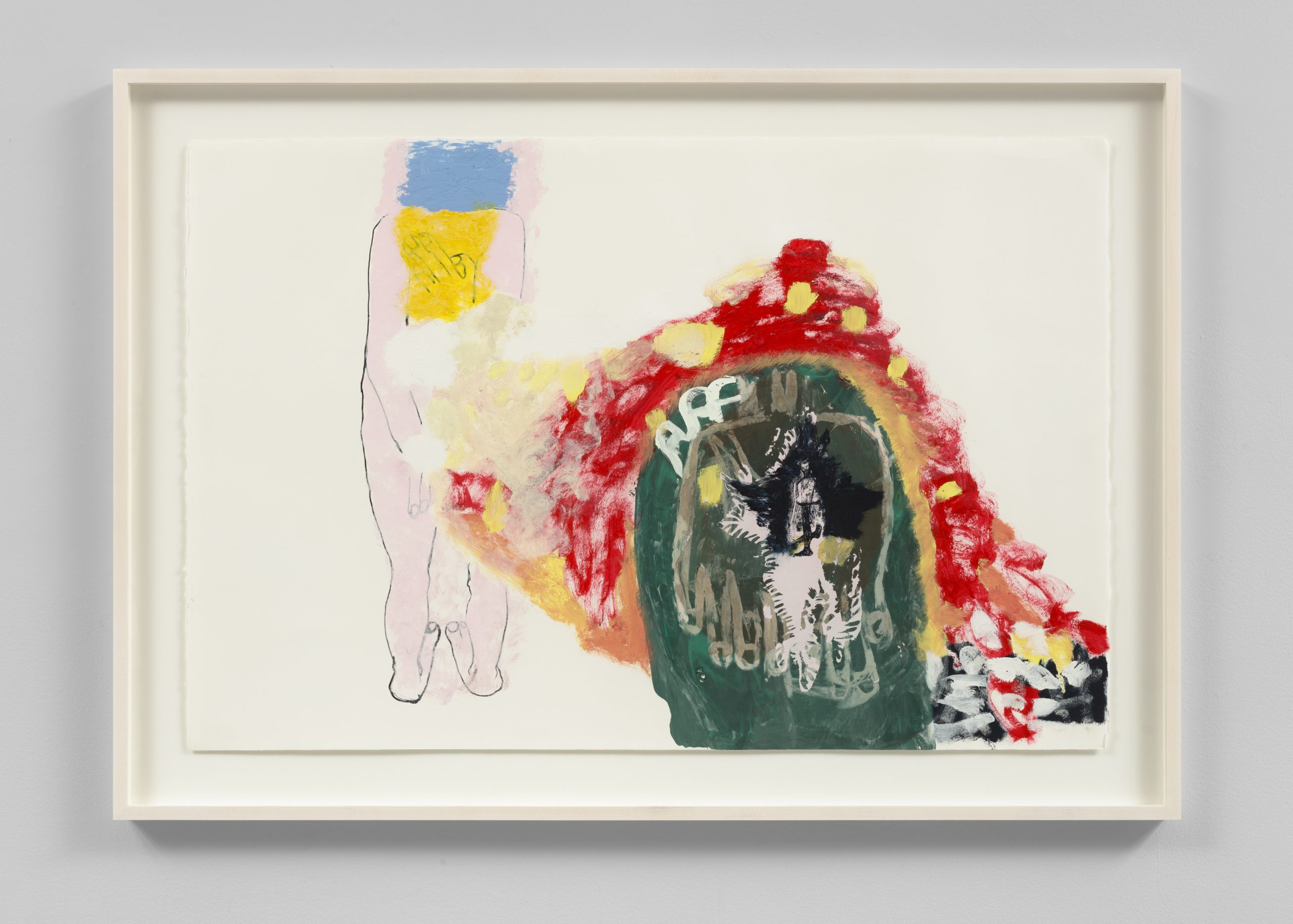
Virginia Chihota, Ndotsvaga Chiso (Looking for A Face) II, 2025. Silkscreen, silkscreen ink, and Chinese ink on Arches cotton rag paper, 37 ½ x 53 ⅝ x 2 in (95.3 x 136.2 x 5.1 cm). (Photo: Lance Brewer).
FAG: How did this body of work come about?
VC: The idea of being has been very alive within me for some time. It is something I have questioned. What is being? What allows me to be? How do I become? There were many unsettling emotions I sensed but could neither comprehend nor explain. At the same time, I knew there was a need to confront the self, both in weakness and in strength. I felt I needed to embrace listening and continue asking questions throughout the process.
FAG: What are you hoping to explore through this work?
VC: For me, it does not necessarily have to make sense. It is about acknowledging conversations within the self. Be, and be, and be yourself.
FAG: When did you first discover your interest in art? And how did that develop as you came into your own and found your voice as an artist?
VC: I actually did not know that art was something I could pursue. It was never taught at my school, though I knew I could draw. During career guidance sessions, when we were introduced to different paths and professions, I remember asking myself how it was possible not to know what you wanted to do after school. When the time came, I was introduced to an art school, and for the first time something felt right within me. Since then, it has been a journey of continual learning and growth.
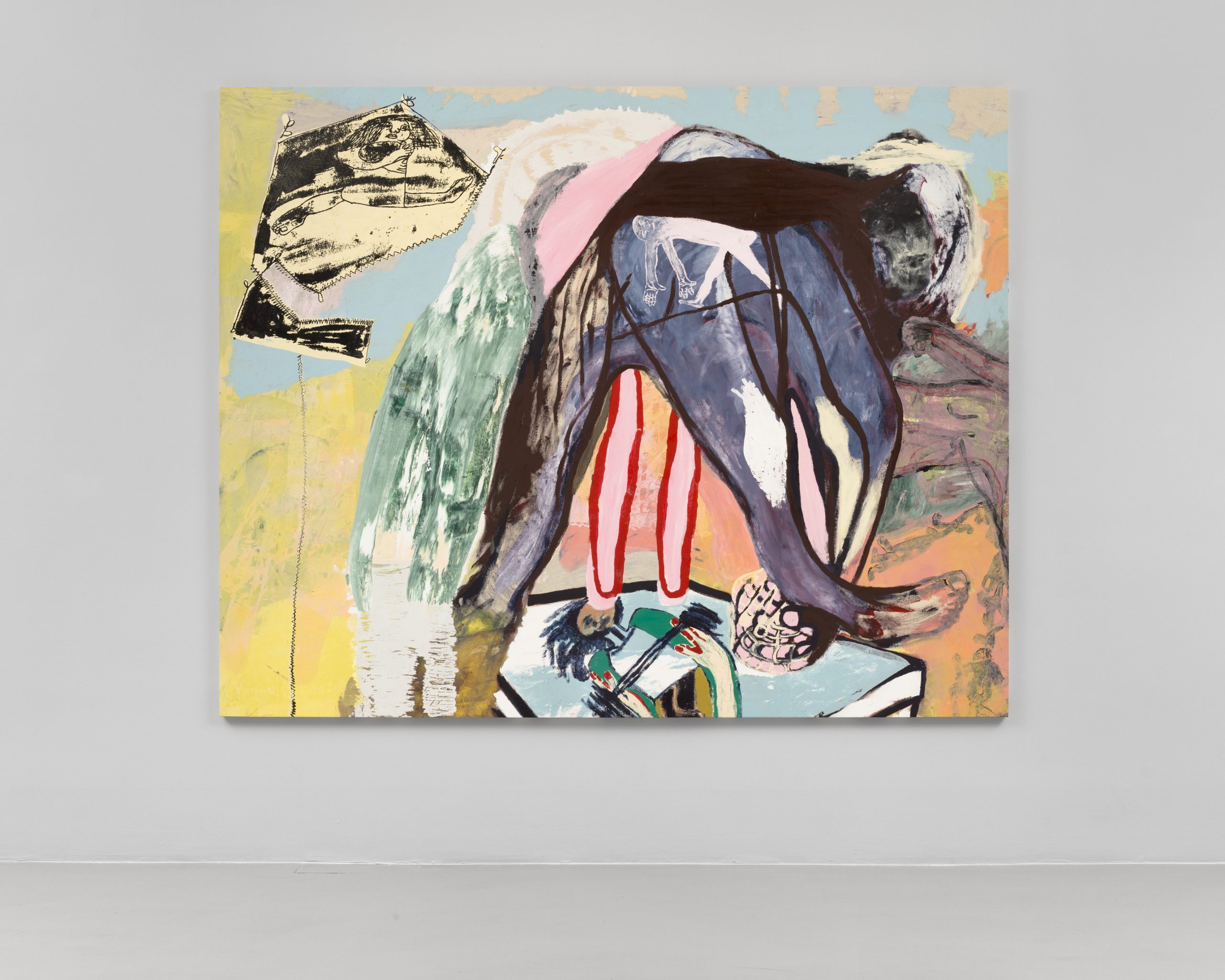
Virginia Chihota, Ndombundira zvese ( I Embrace All), 2026. Silkscreen and silkscreen ink on canvas, 87 x 111 x 1 ¼ in 221 x 281.9 x 3.2 cm). (Photo: Lance Brewer).
FAG: I think that everyone’s upbringing shapes who they become, and that is especially true for artists. Your early life was defined by constant relocations and moves across the world. How do you think those experiences shaped who you are today? More specifically, how have they influenced you as an artist and the work you create?
VC: It definitely has. I used to think I was alone until I realized that I was simply isolated from what was unfamiliar to me. In those spaces, you pay close attention to details and learn what you need in order to adapt; somehow, there is always a need for continuity. I sense it even more now—that the journey I have been through has added to my sense of self, allowing me to become more introspective and to appreciate the seasons. I have learned from plants that are not native to the countries in which they grow, and how they continue to thrive, flower, and bear fruit in lands to which they have had to adapt. I am the same.
FAG: Do you find a sense of comfort and stability within your art?
VC: Yes. In this space, I do not need to make sense, convince, appear clever, be understood, or explain myself. I simply need to be. These are rooms where my thoughts and questions do not always need answers; they need only to be asked.
One thing is clear: I do what I do so that I can live with myself. I do not know what would become of me if these things did not come out.
FAG: Is there an artist who has particularly inspired you?
VC: There are many artists for whom I have great respect and admiration. Yet when I think about inspiration, I am drawn to my lecturer, Chikonzero Chazunguza. A master printmaker, he inspired me to look within myself and question things, although I did not fully understand what he meant at the time.
Fridays were library days, and we would spend them researching art movements and artists. He told us that while it was important to study art history, we also needed to spend time researching ourselves. That idea has stayed with me ever since.
FAG: What are you currently working on? And, what else, outside of art, inspires you?
VC: I am actually in a kind of zero space at the moment.
Observing life in all forms.
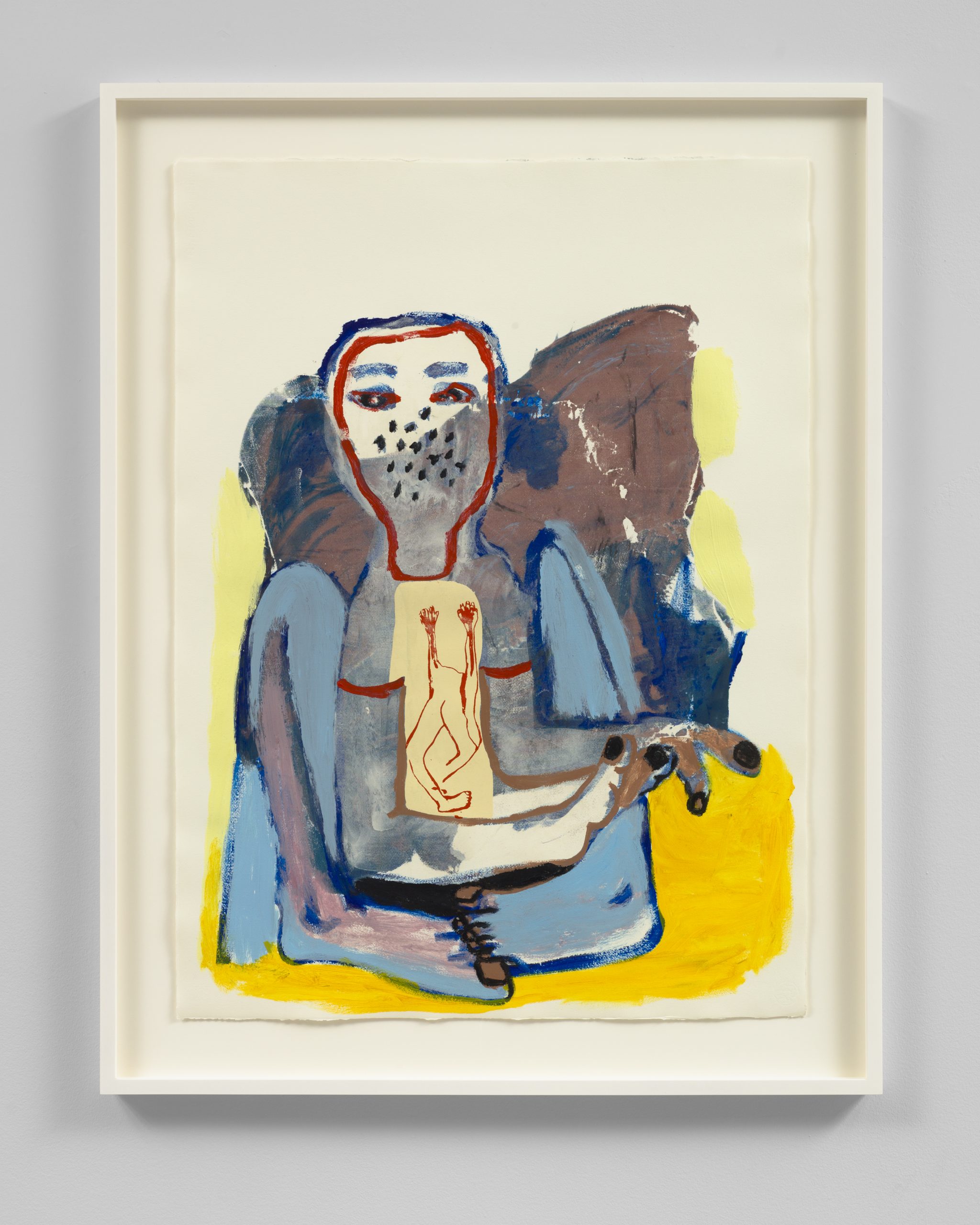
Virginia Chihota, Handisi kuda zvekutaura asi ndakazara ( I Don’t Want to Speak Yet Fully) II, 2026. Silkscreen, silkscreen ink, and Chinese ink on Hahnemühle paper, 48 x 36 ⅞ x 2 in (121.9 x 93.7 x 5.1 cm). (Photo: Lance Brewer).


0 Comments